It may be quiet in Israel now – but that quiet is not guaranteed to last. Hospitals in Israel are under attack. In June of last year, a hospital directly across from Geha Mental Health Center was targeted by an Iranian missile. Days later, Soroka Medical Center sustained a direct missile strike, causing severe damage that will take years to repair.
Hospitals have repeatedly proven to be wartime targets. While missiles are not falling at this moment, the threat remains real, and Geha urgently needs effective, permanent protection.
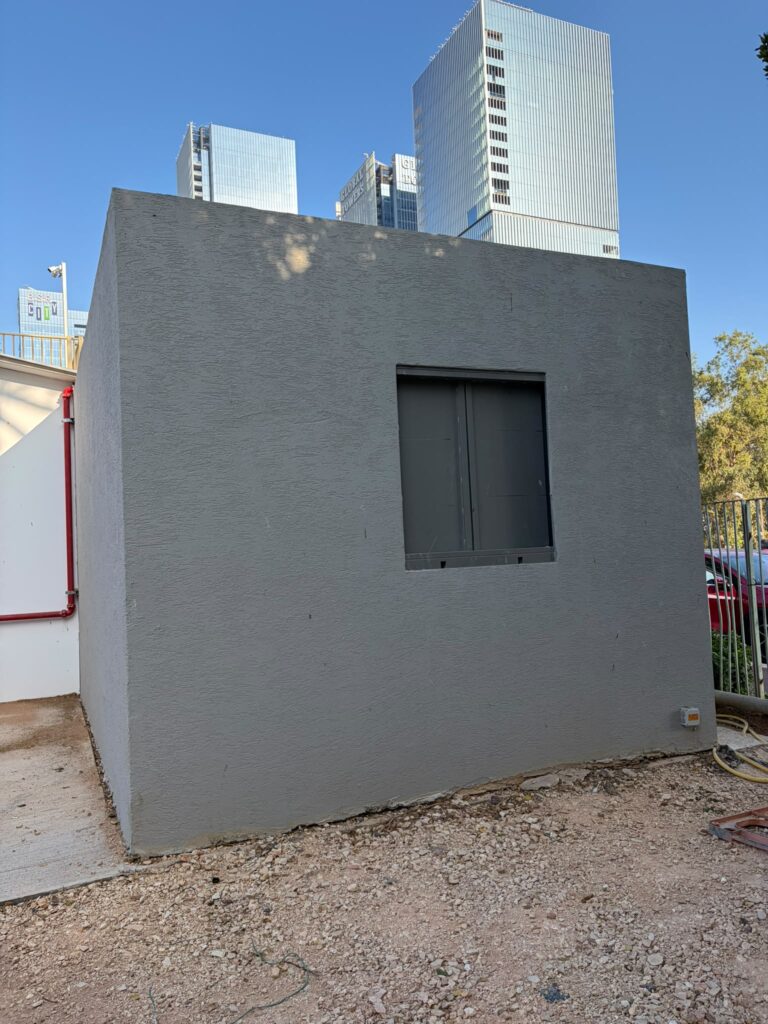
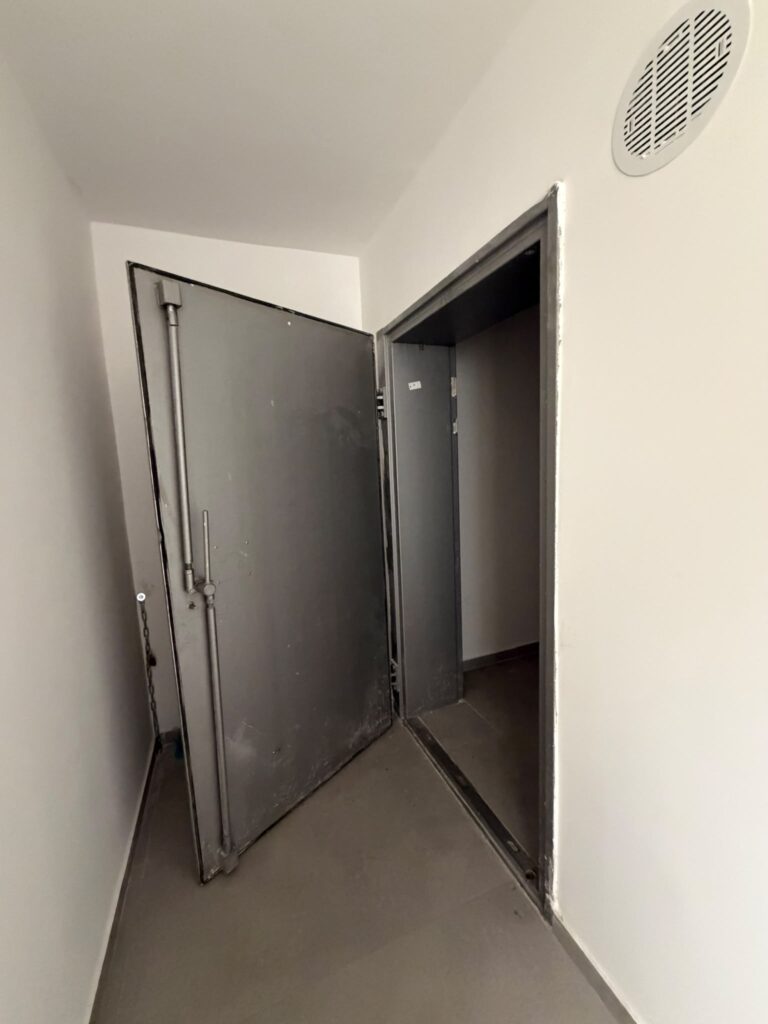
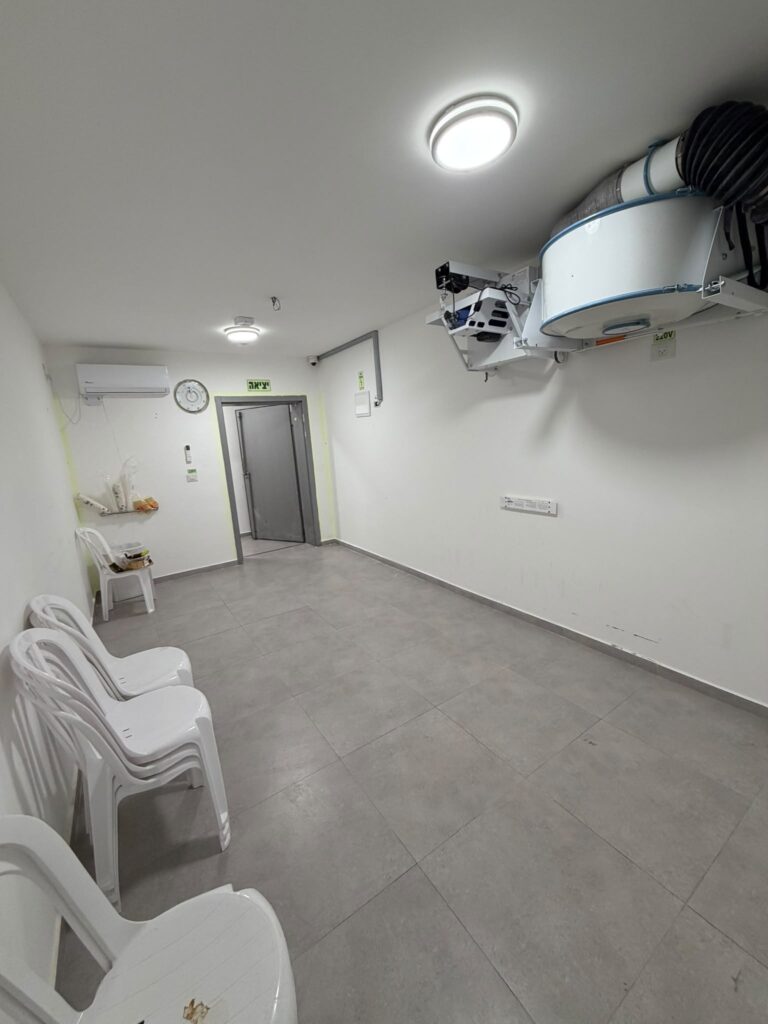
To meet this need, we propose constructing a 30-square-meter shelter, integrated directly into a clinical ward and equipped with 10 sheltered beds. These beds are reserved for the most vulnerable patients; those who, because of their physical or mental state, refuse to evacuate to existing shelters or cannot safely be moved during an attack. Rather than being physically transferred, they can remain in place, in a familiar setting, throughout an emergency.
The shelter also directly benefits staff. During an air raid siren, personnel can focus fully on evacuating patients who are able to move, rather than spending critical time and emotional energy persuading or physically relocating those who cannot. The result is a faster, safer evacuation for the entire ward and reduced strain on everyone.
The total cost of construction is $143,000. A generous private donor has already committed $75,000.
Since October 7th, Geha’s Adult Division has expanded to support wounded soldiers, released hostages, and trauma survivors arriving across the Rabin campus at Beilinson Hospital. Geha’s Child and Adolescent Division, one of the largest in the world with 30 beds and a staff of 200, provides emergency services for children aged three to 18.
The war with Iran earlier this year placed Geha under sustained operational strain. Because its inpatient wards are not sheltered, every air raid siren required physically transferring psychiatric patients – including children and adults in unstable mental conditions – to protected areas, sometimes multiple times a day and night during the most intense periods.
These evacuations are far more than logistical challenge. Moving patients who are often resistant, disoriented, or acutely vulnerable requires intensive, one-on-one staff engagement: personal dialogue, reassurance, and careful persuasion. The cumulative toll on patients and staff was severe.
The shelter and its location have already been fully approved by the hospital engineer and the Home Front Command engineer. Construction will be carried out by contractors approved by the Home Front Command.
Patient safety is Geha’s top priority. But the current situation is unsustainable. Repeated emergency evacuation poses serious risk to patients’ physical and mental well-being. Protecting the most vulnerable patients without the trauma of repeated relocation is critically important.